
NYC Housing Market 2026: Inventory Hits 5-Year Low
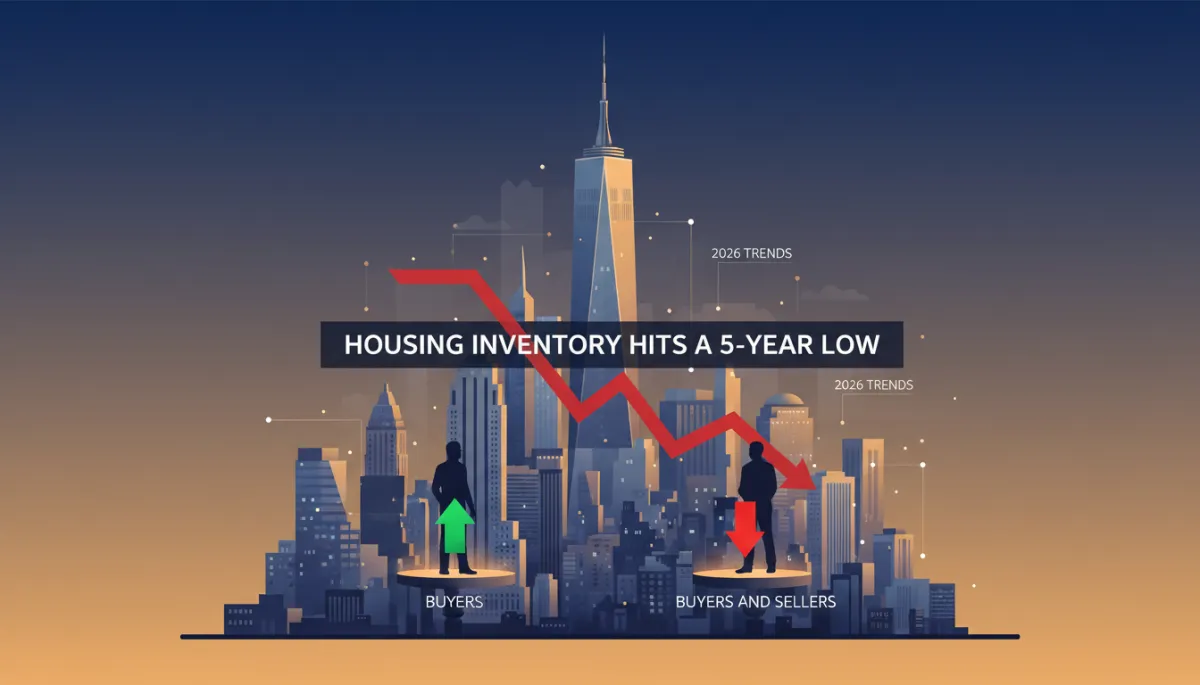
NYC Housing, Real Estate Market, 2026 Trends
NYC Housing Inventory Hits a 5‑Year Low: What It Means for Buyers and Sellers in 2026
New York City’s housing inventory has slipped to its lowest level in nearly three decades, reshaping how buyers and sellers navigate the real estate market in 2026. Here’s what this tight supply means for pricing, competition, and strategy across the five boroughs.

NYC Housing Inventory in 2026: Just How Low Is It?
By early 2026, NYC housing inventory fell to roughly 22,366 active residential listings—a level some analysts call a 28‑year low in available homes for sale. A balanced New York City real estate market typically carries between 35,000 and 45,000 listings, so today’s supply is short by an estimated 15,000–22,000 homes (Milton Coste, 2026).
The squeeze is visible across all major boroughs:
Manhattan: ~8,200 listings, about 31% below its 5‑year average
Brooklyn: ~6,400 listings, roughly 24% below average
Queens: ~5,800 listings, still 11% under historical norms
Zillow data from May 31, 2026, shows about 17,828 homes in the for‑sale pool, with a median list price of $868,000 and a sale‑to‑list ratio of 0.978, meaning most properties still close very close to asking (Zillow, 2026). New listings are down more than 11% year‑over‑year, and overall inventory has inched up less than 2%, even as sales volume has dropped by roughly 27% (PropertyIQ, 2026).
Why Is Inventory So Tight? The Supply Story Behind the Numbers
Behind the low housing inventory is a long‑running supply problem. NYC adds fewer than 30,000 new housing units a year, while estimates suggest the city needs 50,000 or more to keep up with population and job growth. In 2024, about 37,700 new units were completed citywide, and early 2026 permits indicate nearly 28,800 proposed units in just the first quarter—an encouraging sign, but not enough to erase the deficit (NYCEDC, 2026).
Zoning reforms under the “City of Yes for Housing Opportunity” plan are projected to enable 80,000 new units over 15 years. For long‑term NYC housing needs, that’s meaningful—but in the near term, buyers and sellers are still operating in a market where demand outpaces supply, especially in desirable neighborhoods and near transit.
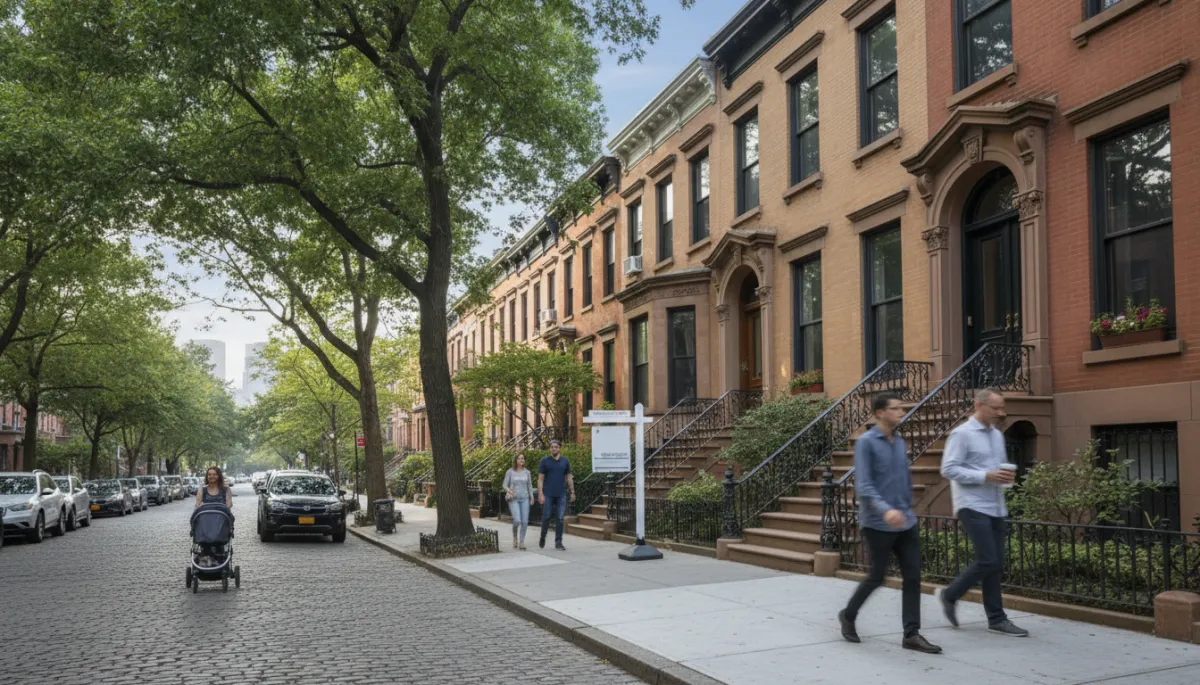
Fewer listings per block mean intense competition for well‑located homes.
2026 Trends in Property Prices: Steady Gains Despite Slower Sales
Even with fewer transactions, property prices in the NYC real estate market continue to edge higher. Across multiple data sources, 2026 price growth generally falls in the 3–6% year‑over‑year range:
HousingData.Report estimates a $896,056 median home value in February 2026, up about 3.6% YoY.
PropertyShark reports an April 2026 median sale price of $795,000, a 6% annual increase, even as sales volume dipped by roughly 11%.
Amortio pegs the June 2026 median around $680,000, up 3.5%, with homes averaging about 60 days on market.
Methodologies differ, but the message is consistent: despite low housing inventory and slower deal flow, NYC housing remains resilient. Buyers may see fewer bidding wars than during the pandemic peak, yet sellers rarely need steep discounts to close.
What Low Inventory Means for Buyers in 2026
For buyers, a tight NYC housing inventory translates into limited choice, higher competition, and persistent pricing power for sellers. With only a small share of listings seeing price cuts—about 6.2% by some 2026 estimates—there is little room for aggressive lowball offers.
Expect to act quickly. Homes that are well‑priced and move‑in ready can still go under contract in a matter of weeks, especially in Queens, the Bronx, and parts of Brooklyn where days on market are shortest.
Be flexible on your wishlist. With fewer options, buyers may need to compromise on amenities, exact location, or size to stay within budget.
Get fully prepared financially. Pre‑approval, proof of funds, and a clear understanding of co‑op or condo requirements remain essential to compete.
💡 Pro Tip: In a low‑inventory market, consider expanding your search radius by just one or two subway stops. Small shifts can open up more listings and better value without sacrificing access to your daily commute.
What It Means for Sellers: Opportunity with a Catch
For sellers, the 2026 trends are largely favorable. Fewer competing listings and steady demand mean stronger negotiating leverage and a higher likelihood of achieving near‑ask prices. Properly priced homes can still attract multiple offers, particularly in outer‑borough neighborhoods where entry‑level and mid‑market properties remain in short supply.
The catch? Many sellers are also buyers. If you plan to stay in NYC, you’ll be re‑entering the same tight real estate market. That makes strategies like rent‑backs, extended closings, or securing your next home before listing increasingly important to avoid being caught between transactions.
Looking Ahead: How Long Can This Low Inventory Last?
Over the next few years, more construction and zoning reforms should gradually add to NYC housing supply, but most experts do not expect a sudden flood of listings. With only about 15,000 new units expected in 2026 versus much higher demand, the city is likely to remain a seller‑leaning market, with modest but ongoing upward pressure on property prices.
For buyers and sellers alike, the key in 2026 is realism: understand that low housing inventory is not a short‑term blip but part of a longer structural shortage. Aligning your expectations—and your strategy—with that reality is the best way to navigate New York City’s competitive real estate landscape this year.